CSE administers the Self-Generation Incentive Program (SGIP) in the San Diego Gas & Electric territory, providing rebates to utility customers for installing clean and energy-efficient energy technologies that lower greenhouse gas emissions and reduce on-site electrical demand.
CSE is the only SGIP third-party administrator in California and, as such, plays a critical role in the adoption of distributed generation and energy storage projects throughout the region. Through SGIP, CSE provides technical and financial assistance to those interested in advancing energy storage, fuel cells, wind, waste energy recovery, pressure reduction turbines and combined heat and power technologies.
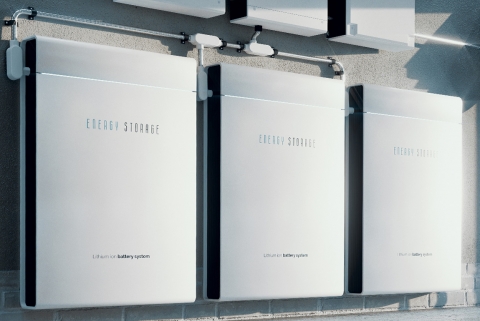
In response to climate change and increasing wildfire threats and power outages, SGIP currently funds primarily energy storage projects with a focus on fire-prone, low-income and disadvantaged communities.
SGIP Impacts


CSE has reserved incentives for more than 9,706 energy storage projects.
Program at a Glance
Program Goals
To reduce electricity demand and greenhouse gas emissions by supporting distributed generation technologies.
CSE's Role
Program administrator for San Diego Gas & Electric territory.
Technologies
Key Partners
California Public Utilities Commission
San Diego Gas & Electric
Pacific Gas and Electric
Southern California Edison
Southern California Gas
State Policies Supported
California Assembly Bill 970
California Senate Bill 412
California Assembly Bill 1150
California Senate Bill 861
California Senate Bill 700
California Assembly Bill 209
Impact Statement
SGIP installations help San Diego County businesses and residents save on electricity costs while reducing carbon emissions and preparing for emergency and planned outages.