How Clean Energy Pathways Empower Tribal Energy Sovereignty
For many tribal nations, clean energy is more than an environmental strategy. It is a path to resilience, healthier communities and greater energy sovereignty.
However, recent federal withdrawals of funding previously earmarked for tribal clean energy programs — totaling up to $1 billion — has slowed or stalled many tribal-led sustainability projects. As a result, projects focused on solar power, energy storage, electric vehicles, EV charging infrastructure, and energy affordability have stalled across the country.
The federal retreat makes it even more important for states, utilities and private funding to prioritize clean energy programs that embrace tribal participation, reduce administrative barriers and align with tribal environmental priorities.
California tribes are advancing clean energy solutions
At the Center for Sustainable Energy (CSE), we have the privilege of partnering with tribal nations to plan, design and fund clean energy and transportation solutions that reflect community priorities and traditions.
These are some of the California projects that have leveraged CSE-administered programs or support and illustrate what tribal-led clean energy and transportation investments can achieve.
La Jolla Band of Luiseño Indians San Pasqual Band of Mission Indians
Leveraging a $22 million U.S. Environmental Protection Agency (EPA) Climate Pollution Reduction Implementation Grant, these tribes are deploying EV charging stations, fleet electrification and solar-plus-battery microgrids to improve enterprise operations, strengthen residential resiliency, support community services and create long-term cost stability.
Tribes throughout California
With funding from the California Electric Vehicle Infrastructure Project (CALeVIP), nearly $4.8 million in incentives have supported publicly accessible EV chargers at 30 sites on tribal lands across the state.
Bishop Paiute Tribe
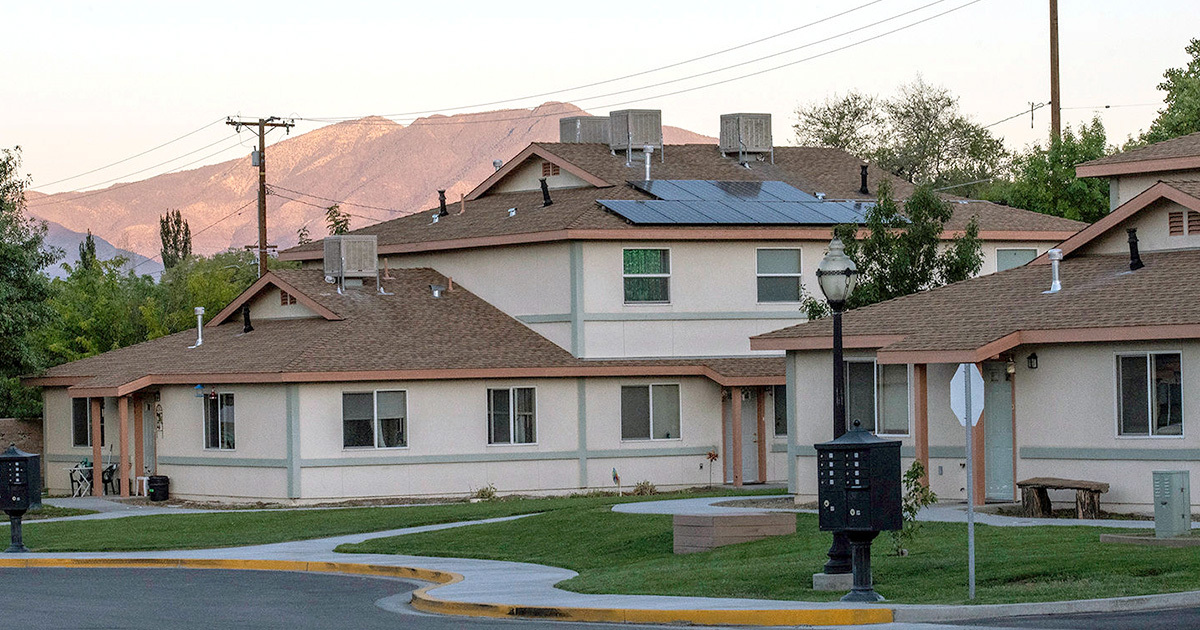
Through California’s Solar on Multifamily Affordable Housing (SOMAH) Program, Bishop Paiute expanded its solar capacity for low-income tribal families. The project is expected to generate $388,500 in lifetime energy bill savings for 24 apartment households and provided on-the-job training that developed workforce skills within the community.
San Pasqual Band of Mission Indians
San Pasqual installed 10 public EV chargers and built a microgrid powered by 289 kilowatts of solar canopies and battery storage. Supported by the U.S. Department of Energy and California’s Self-Generation Incentive Program, the microgrid reduced the tribe’s annual electricity costs from roughly $80,000 to $10,000 while improving reliability and resilience.
Some of these successes were supported by federal programs that have since been reduced or frozen, while others were made possible through state programs and other funding that remain open to tribal participation.
Tribes face unique challenges to decarbonizing
Despite these successes, tribes face distinct challenges in deploying clean energy infrastructure. Tribal lands are often in rural areas with limited grid capacity or complex interconnection requirements. Securing financing can be difficult, and technical expertise is often limited.
Yet these challenges also create opportunities for innovation. Tribal control of rights-of-way can simplify siting for solar and storage projects. Intertribal partnerships help share expertise and resources. And as sovereign nations, tribes qualify for specialized funding streams, including through the U.S. Department of Interior, the U.S. Department of Energy’s Office of Indian Energy, and philanthropic initiatives such as the Indigenous Power & Light Fund.
By leveraging federal and state programs, private support and trusted partners, tribes can reduce pollution, create jobs and reinvest savings into their communities.
Practical steps for tribal clean energy and transportation
Start with a plan.
A climate or energy action plan helps assess energy use, identify emissions sources and set achievable goals. The La Jolla tribe’s EPA-funded climate action plan provides a model for integrating transportation, housing and energy priorities into a comprehensive roadmap.
Engage the community.
Tribal councils, environmental departments and residents should collaborate from the start to ensure projects reflect community needs, such as reliable power during grid outages, job creation, energy sovereignty and lower energy bills.
Build strong partnerships.
Collaboration with utilities, nonprofits and neighboring tribes can unlock technical expertise and administrative support. CSE’s work on the Climate Action Plans for Southern California Tribal Nations demonstrates how shared planning can attract large-scale federal investment.
Leverage multiple funding sources.
With federal grants now less predictable, tribes are increasingly combining state incentives, utility programs, philanthropic capital and mission-driven financing to move projects forward. In California, programs like SOMAH and CALeVIP remain available to support tribal-led projects.
A stronger economic future through clean energy
While recent federal funding pullbacks have slowed progress, they have also underscored the value of tribal ownership, long-term planning and durable partnerships.
Whether it is solar for a community center, EV chargers for a tribal enterprise or battery energy storage that provides power during grid outages, each project supports a more resilient, self-determined energy future.
How CSE supports tribal clean energy
CSE’s approach focuses on capacity building so tribes have the tools and training to manage, expand and sustain their investments over time. CSE partners with tribal governments and enterprises to provide:
- Funding strategy and grant writing support
- Feasibility studies and business analyses
- Technical assistance
- Data-driven planning and mapping
- Marketing and outreach services
To learn more, contact CSE at consult@energycenter.org

Lauri Walker
Director, Equity Engagement and Outreach
Lauri Walker has nearly 25 years of experience working to advance transportation programs in California through community engagement and outreach. She oversees a team of CSE equity specialists and partnerships with community-based organizations to inform the design and implementation of electric…
Read more by Lauri Walker