Expanding Access: Why States and Utilities Should Incentivize Used Electric Vehicles
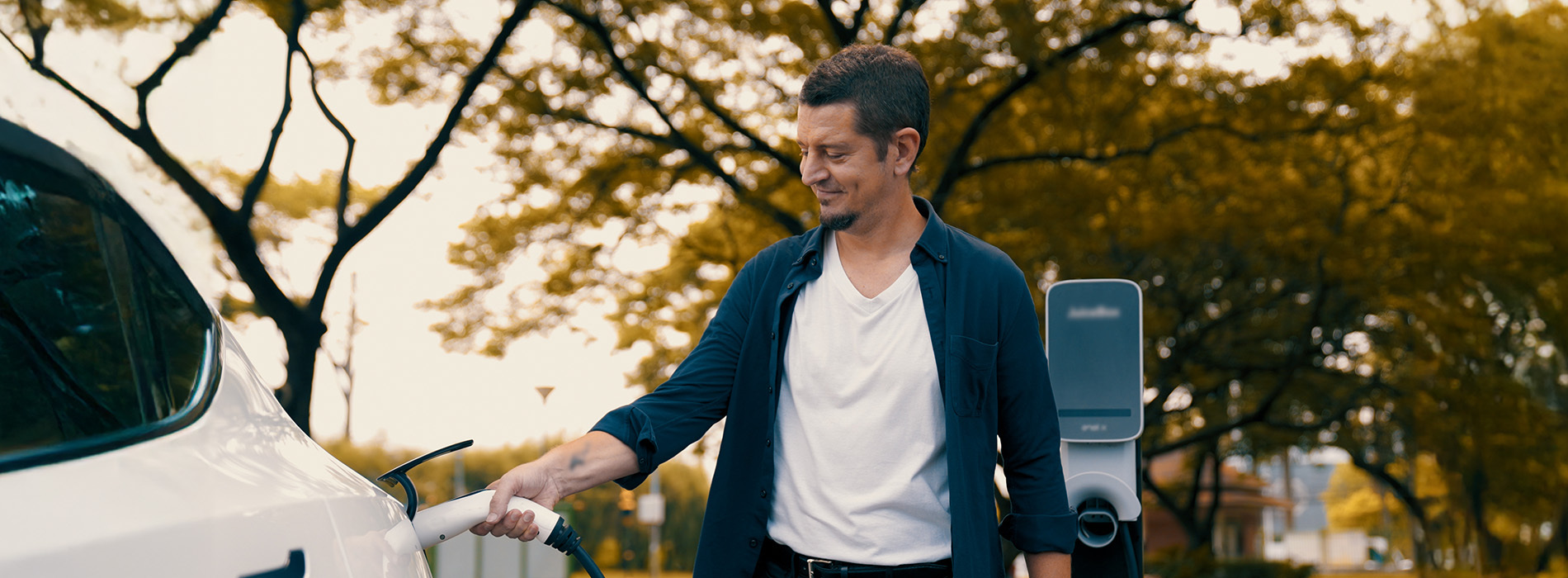
Electric vehicles (EVs) are becoming a mainstream option for drivers across the country. Yet for many households, the cost of a new electric car is out of reach.
What’s a practical next step for states and utilities that want to ensure EV benefits reach lower-income households and communities?
Start by considering additional or expanded rebates for used EVs.
Why incentives for used EVs matter
Most Americans buy used cars, pickup trucks and sport utility vehicles rather than new ones. This is even more true for low- to moderate-income (LMI) households.
As more EVs come off lease or are traded in, a used EV market is beginning to develop, especially in early-adopter markets such as California and other West Coast and Northeast states.
Since the federal tax credit for new and used EVs ended in 2025, state and utility incentives, especially for used EVs, are even more critical to make clean transportation affordable, particularly for individuals in low-income communities that often bear the greatest burden of air pollution.
Examples of successful programs
At the Center for Sustainable Energy (CSE), we administer state and utility clean transportation programs nationwide and have experienced firsthand how well-designed incentives can make EVs more affordable for drivers of all income levels.
Several state and utility programs we have administered offer income-qualified applicants $2,500 to $7,500 in rebates for used EVs. With some used EVs selling for under $25,000, these incentives can make a significant difference for buyers. For example:
- The Oregon Clean Vehicle Rebate Program was among the first to offer rebates for used electric vehicles through its Charge Ahead Rebate Program, including additional support for LMI applicants.
- Other states have followed suit, including Connecticut’s CHEAPR Program, Delaware’s Clean Vehicle Rebate Program and Massachusetts’ MOR-EV Program. Each offers tailored incentive levels or additional rebates for income-qualified participants.
- In California, utilities such as Pacific Gas and Electric, San Diego Gas & Electric and Southern California Edison provide rebates to customers for pre-owned EVs, helping offset upfront costs and stimulate the secondary market. The programs are funded through the utilities’ participation in the state’s Low Carbon Fuel Standard Program. Air Quality Control Districts such as Sacramento and South Coast also offer used EV incentives.
Collectively, these programs have already helped over 60,000 drivers buy or lease a used battery electric or plug-in hybrid EV as of the end of 2025.
3 keys to effective used EV incentive program design
Based on CSE’s experience designing and administering EV incentive programs, including used EV incentives, we recommend states and utilities consider three core principles when developing or expanding a program.
1. Use data to set income and incentive levels
Setting eligibility thresholds based on research ensures that funding reaches the households most likely to benefit. Programs often set a household income threshold of up to 300% or 400% of the federal poverty level limits, or up to 80% of area median income.
CSE’s Caret® EV Planner models various incentive levels, in combination with other policies, and predicts how eligibility levels will influence EV sales as well as forecasts emissions reductions and increased demand on the distribution grid.
2. Address consumer concerns about battery life and charging accessibility
Used EV buyers want assurance that their purchase will last. Incentive programs can build confidence by requiring basic vehicle condition standards or encouraging warranties for battery health and performance. States and utilities might also partner with certified pre-owned programs or dealerships that verify battery capacity and provide transparent vehicle histories.
Another consideration for drivers is the cost and availability of charging. Several states and utilities offer rebates for installing a home charger and upgrading electrical panels to accommodate home charging.
But the biggest way to overcome this barrier is by installing more publicly available chargers in commercial centers, multi-unit housing and major employment hubs. States are leveraging federal funding to build out EV charging infrastructure. Tools offered by PlugShare and others make it easy to find nearby charging stations.
3. Invest in outreach and partnerships
Many potential participants are unaware that used EV rebates even exist. Effective outreach is essential.
CSE’s consumer research shows that LMI drivers most often learn about incentives from online channels or family and friends. Digital advertising focused on LMI communities can reach shoppers who are actively searching for used vehicles online. Partnering with trusted community-based organizations to host ride-and-drive events provides a hands-on experience that raises driver awareness and connects them to incentive program information.
Looking ahead
Used EV incentives are a practical, equitable way to expand access to clean transportation. They help improve air quality in disadvantaged neighborhoods and give more households the opportunity to save on fuel and maintenance. (See the J.D. Power EV Savings Calculator.)
As a bonus, used EV incentives are often less costly per vehicle to fund than new EV rebates and can be highly cost-effective—especially when designed to reach buyers who would not otherwise be able to make the switch.
As the new light-duty EV market matures, the used segment will grow rapidly. States and utilities that launch or expand used EV programs today can help ensure that the benefits of this transition reach all communities.
For help designing, launching or administering a state, city or utility used EV incentive program, contact CSE at consult@energycenter.org.

Cierra Lara
Senior Project Manager
Cierra is a senior project manager with extensive experience supporting California utility, regional, and statewide electric vehicle incentive programs. Cierra leads CSE’s management of pre-owned EV rebate programs for Pacific Gas & Electric and San Diego Gas & Electric as well as the PG…
Read more by Cierra Lara